In the international meeting industry, there are combinations that not only monitor the market, but even create trends and determine the global competitiveness of destinations. The most important of these is the annual report of the International Congress and Convention Association (ICCA) – an organization founded in 1963, currently bringing together more than 1,000 specialized entities from nearly a hundred countries.
The ICCA ranking is a powerful tool for verifying the market position. Its prestige is determined by an uncompromising methodology. For a given event to be included in the list, it must meet the restrictive criteria: be organized periodically by international associations, rotate between at least three countries and gather a minimum of 50 stationary participants. For this reason, the high rankings are not a coincidence or one-time promotional spurts, but a reflection of the long-term strategy, operational excellence and infrastructure maturity of the entire region.
Historic capital breakthrough: Data that changes the balance of power
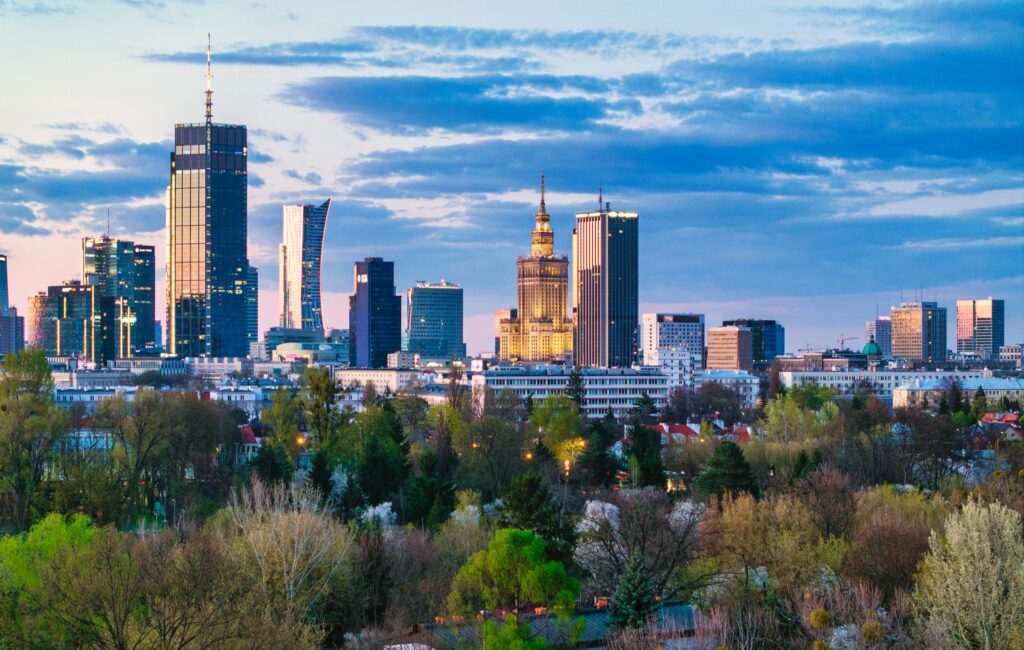
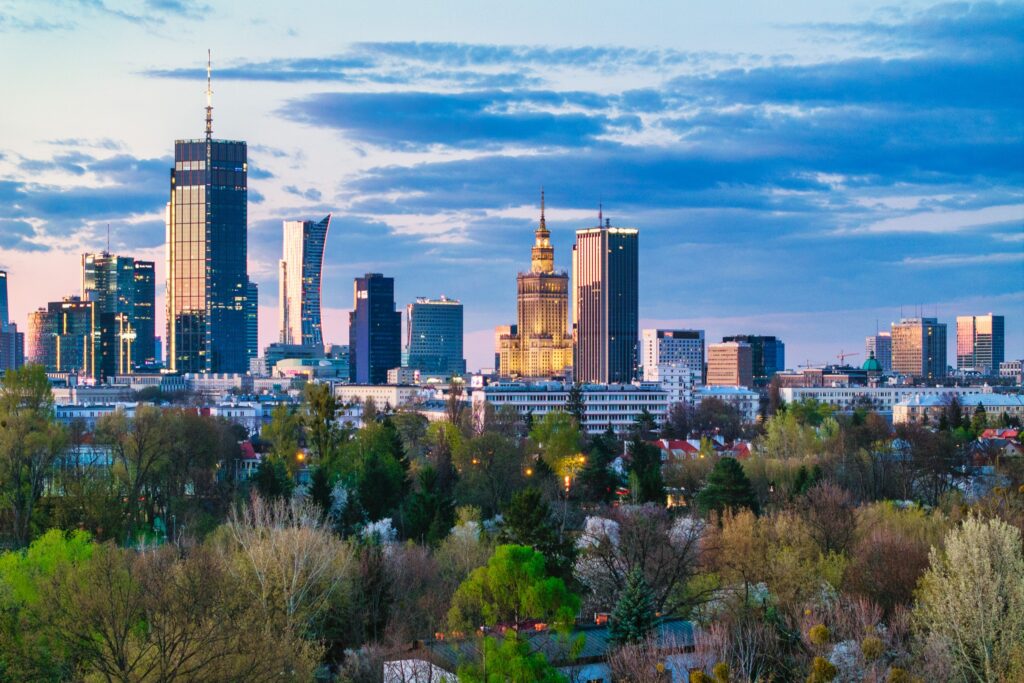
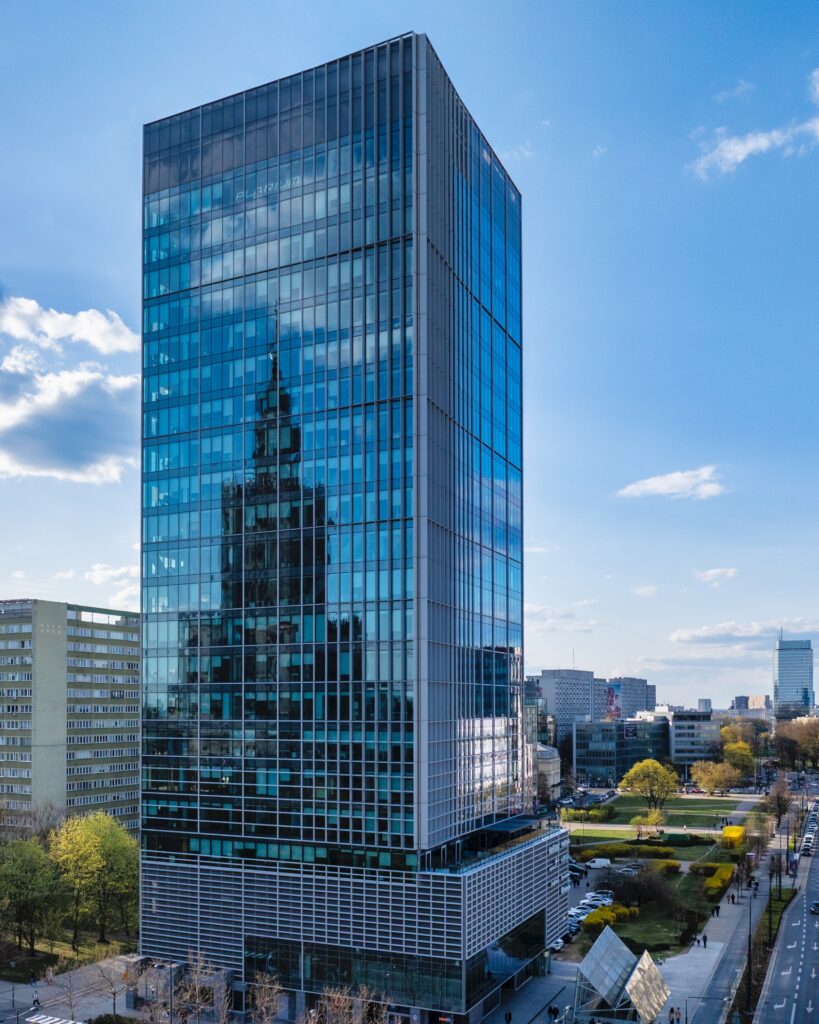
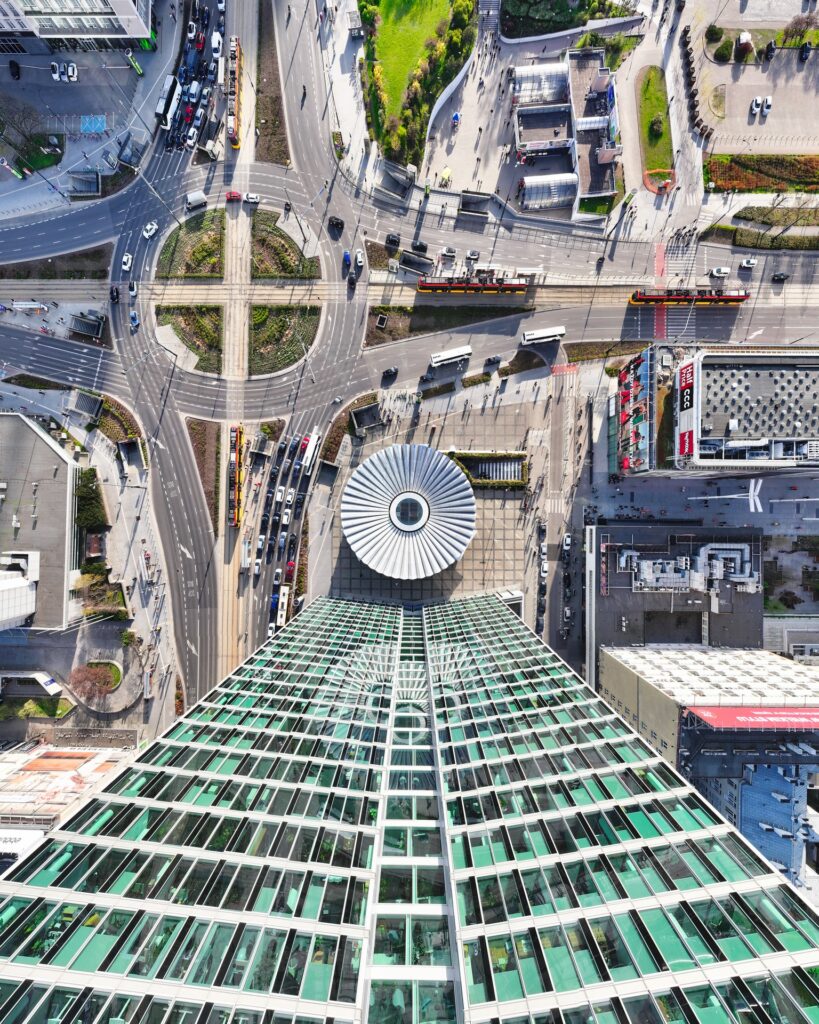
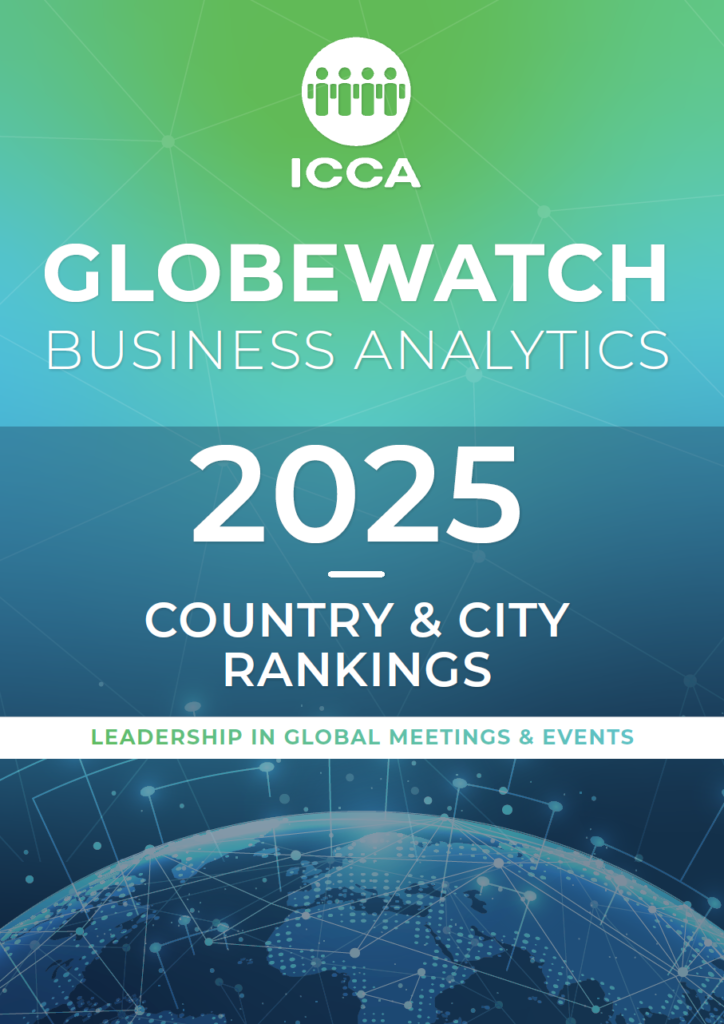
The latest edition of the report “GlobeWatch: Business Analytics – Country & City Rankings 2025” brought the Polish sector of meetings to be proud. As we learn from the websites of UM Warsaw, the capital of Poland made a spectacular promotion, entering for the first time in history into the elite group of twenty most important congress cities in Europe.
The analysis of the hard data from the report shows the dynamics of this success:
- Warsaw ranked 19th in Europe and 28th in the world.
- On a global scale, the capital competes effectively with key metropolises, giving way to leaders (such as Lisbon with 188 meetings, Paris with 174 or Barcelona from 166), but clearly distancing many traditional business centers.
- In 2025, 75 international congresses meeting the strict ICCA criteria were held in Warsaw. This represents an increase of 13 events compared to the previous year, which proves a permanent, structural upward trend, not just post-season economic fluctuations.
Spillover effect: How the success of Warsaw builds the capital of Mazovia
From the point of view of regional strategy, the success of Warsaw must not be considered within the administrative boundaries of the city itself. Modern business tourism is based on the so-called economic and image spill effect on the entire region of Mazovia. The promotion in the ranking generates benefits in two key areas:
1. Economic dimension and revenue diversification
A participant of an international association congress is statistically the most valuable customer profile in the entire tourism. It spends an average of 3 to 4 times more than a leisure tourist. This money is not only powered by Warsaw hotels or convention centers. Financial benefits resonate to the entire Mazowieckie Voivodeship through:
- Supply Chain (Supply Chain): Regional food producers, local vineyards, Mazovian catering companies, technical companies and event agencies and artists from across the region are becoming direct beneficiaries of handling such a large number of events.
- Bleisure phenomenon (Business + Leisure): More and more delegates are extending their business stay for private purposes or travelling with accompanying persons. Green Mazowsze, historic manors, palaces (e.g. in Żelazowa Wola, Otrębusy or Chlewiski) and agritourism facilities and premium boutique hotels in the region gain a unique chance to acquire a wealthy foreign customer.
2. Strengthening the reputation and destination of “Safe & Smart”
The introduction of Warsaw to the TOP 20 Europe positions the entire Mazovia as a safe, stable and technologically advanced knowledge hub. Large scientific and medical congresses attract global opinion leaders, which directly stimulates the development of local academic centers and research institutes located in the region, building the Mazowsze brand as an innovative intellectual background.
Poland on the ICCA map: Decentralization of MICE potential
The GlobeWatch 2025 report proves that the success of the capital harmonizes with the strong position of the entire country. In the global classification, Poland ranked 18th in the world and 11th in Europe, with a total of 215 international meetings.
This proves the unique features of the Polish market – strong polycentricity and high-quality offer in regional terms. Apart from Warsaw, other Polish destinations have clearly marked their presence in the European and global structures of the ICCA report:
- Kraków: 31st position in Europe / 62nd in the world (44 meetings),
- Gdańsk: 55th position in Europe / 97th in the world (28 meetings),
- Poznań and Wrocław: together in 76th place in Europe / 141th in the world (19 meetings each),
- Łódź: 143rd place in Europe / 280th in the world (9 meetings),
- Katowice: 179th place in Europe / 369th in the world (6 meetings).
What is extremely important for building a wide range, the report also notes individual, highly specialized international meetings in smaller locations (classified in 420th place in Europe), such as Gliwice (2 meetings), as well as Będlewo, Białystok, Kielce, Opole, Rzeszów, Szczecin or Szczyrk (after 1 meeting). This shows that international associations are also looking for niche and unique conference destinations.
New perspectives for Mazovia: How to discount success?
The current position in the ICCA ranking puts new strategic tasks ahead of Mazovia Convention Bureau and all the stakeholders of the MICE market in the region. To maintain and develop this success, it will be crucial to implement three actions:
- Comprehensive product “Metropolia + Region”: Creating integrated offer packages, in which Warsaw is responsible for the main part of the deliberations and large-scale infrastructure, while facilities in Mazowsze are a natural base for incentive travel programs, prestigious gala dinners or meetings of board meetings.
- The use of sustainability trends: The ICCA report clearly indicates that green transformation and carbon footprint reduction are key criteria for selecting venues for global associations. The natural qualities of Mazovia, combined with the slow travel trend, are an excellent response to these requirements. Regional venues can win the competition with ecological solutions and proximity to nature.
- Industry consolidation: Success requires even closer cooperation of the Warsaw business sector with regional partners of MICE. The synergy of promotional activities will allow for a full presentation of a diverse base – from modern exhibition centers to historical and industrial spaces of the entire voivodship.
The historic promotion of Warsaw is the opening of new doors for the economy of the whole Mazovia. The use of this potential depends on our common, consistent work on building a coherent offer of the entire region on the international stage.
Data source and full report: Analysis is based on the official report of the International Association of Congresses and Conventions: ICCA GlobeWatch: Business Analytics – Country & City Rankings 2025.
Photographs: Cezary Warś / UM Warszawa