The global incoming tourism market, and especially the MICE segment (Meetings, Incentives, Conferences, Exhibitions), is undergoing a profound structural evolution. Classic B2B table meetings, based on the formula of fast, several-minute business dating (speed dating), are increasingly giving way to integrated, multi-level roadshow promotional events. Why is this change fundamental? The modern business customer – in particular a partner from a dynamic, highly digitized Chinese market – is not only looking for dry catalog offers. In the premium segment, the key to conversion is trust, a deep understanding of the specifics of the destination and operational flexibility of local partners (DMCDMCs). Dedicated, territorial roadshow creates a space for building long-term international relations, multidimensional presentation of the potential of the region, and above all – for the direct integration of the tourist offer with the local digital ecosystem of the partner country. Participation in such events is therefore becoming a key instrument for entities wishing to compete effectively for high-budget inquiries (RFP).
Event Architecture and Organization: Who, Where and When?
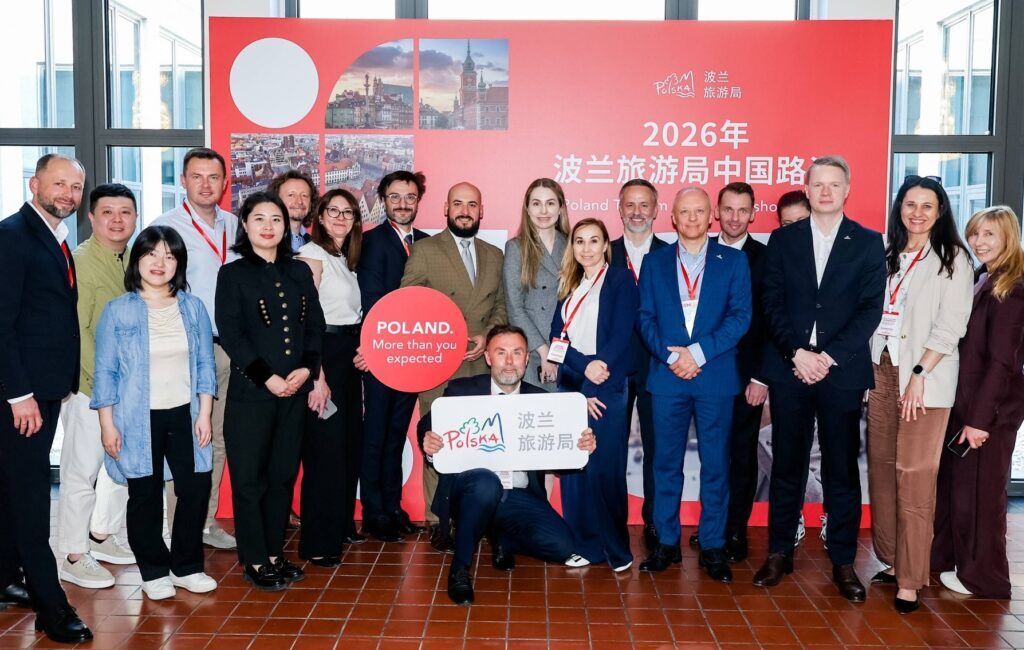
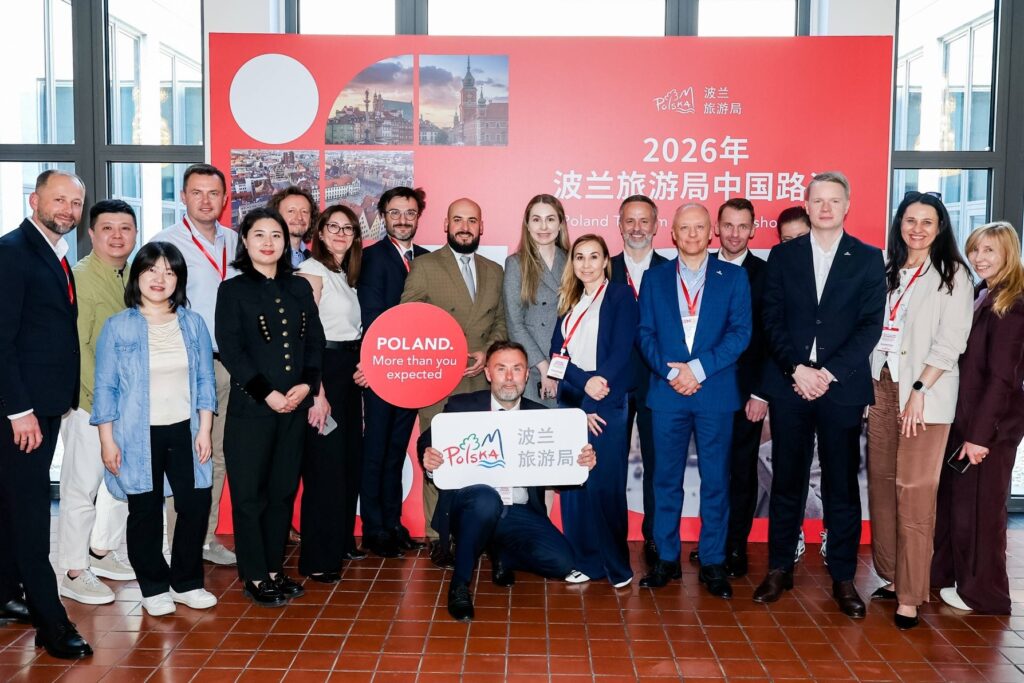
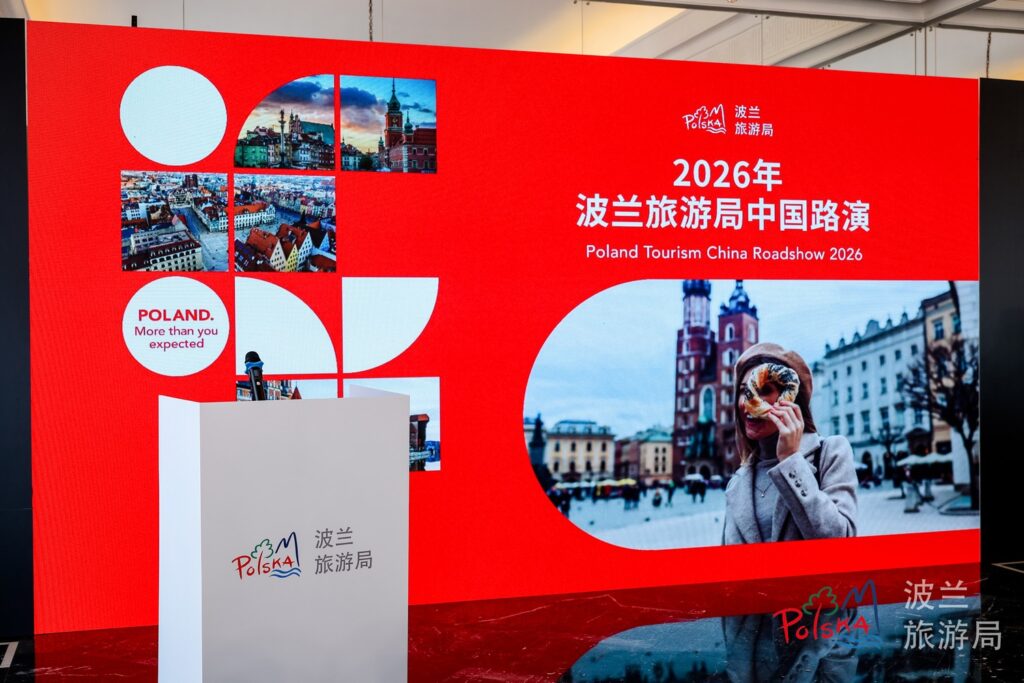
On 11-14 May 2026, one of the most important events supporting the promotion of Poland on the key Asian market – Poland Roadshow China 2026 took place. The main organizer of this strategic project was the Foreign Centre of the Polish Tourist Organisation (ZOPOT) in Beijing in cooperation with the headquarters of the Polish Tourist Organisation (POT). The Mazovia was represented by Michał Kolankiewicz, a member of the MROT Management Board and from the Mazovia Convention Bureau – Małgorzata Dąbrowska, a specialist in business tourism. The mission aimed to comprehensively present the tourist values and potential of our country’s meeting industry directly in the two most important economic metropolises of China: Beijing and Shanghai.
The exact program and course of the business mission
The event schedule was designed in a way that maximizes the business efficiency of the participants and is divided into two different stages:
- 11–12 May 2026 – The Beijing Stage (Inauguration and B2B) was made by Jakub Kumoch, the official and ceremonial opening of the Roadshow in Beijing. This stage focused on intensive contracting workshops and direct meetings with local corporate travel organizers and representatives of the meeting sector. Polish participants had the opportunity to present conference infrastructure, premium hotel base and unique event locations.
- 13–14 maja 2026 r. – Etap Szanghajski (Digital & Corporate Networking): Po zakończeniu działań w stolicy delegacja przeniosła się do Szanghaju. Oprócz kontynuacji tradycyjnych rozmów biznesowych z lokalnymi touroperatorami, kluczowym punktem programu były wizyty studyjno-biznesowe w kwaterach głównych chińskich gigantów technologicznych i platform rezerwacyjnych. Rozmowy te dotyczyły nowoczesnych metod budowania widoczności marek regionalnych w chińskim internecie.
Synergia partnerów: Kto reprezentował polską i chińską branżę?
Po stronie polskiej w misji wzięła udział silna i skonsolidowana reprezentacja kluczowych podmiotów regionalnych oraz reprezentantów przemysłu spotkań:
- Mazowiecka Regionalna Organizacja Turystyczna (MROT) wraz z dedykowaną jednostką Mazovia Convention Bureau (MCB), reprezentujące ofertę Mazowsza jako serca Polski.
- Warsaw Convention Bureau (działające w strukturach Warszawskiej Organizacji Turystycznej), dbające o interesy stołecznego rynku konferencyjno-eventowego.
- Małopolska Organizacja Turystyczna wraz z Kraków Convention Bureau, reprezentujące stolicę Małopolski, która w Pekinie przeprowadziła ponad 20 zaawansowanych rozmów biznesowych z chińskimi partnerami.
- Kopalnia Soli Wieliczka – unikalny obiekt typu unique venue, cieszący się ogromnym zainteresowaniem ze względu na swoje spektakularne, podziemne zaplecze konferencyjno-eventowe.
Po stronie chińskiej w wydarzeniu uczestniczyła starannie wyselekcjonowana grupa partnerów handlowych:
- Czołowi chińscy touroperatorzy obsługujący masowy i indywidualny ruch wychodzący do Europy Środkowej.
- Agencje Incentive House oraz planerzy wydarzeń biznesowych (MICE) poszukujący nowych, bezpiecznych i dobrze skomunikowanych destynacji.
- Przedstawiciele wiodących chińskich mediów branżowych.
- Kluczowe platformy cyfrowe: Trip.com (globalny lider rezerwacyjny) oraz RED / REDnote (Xiaohongshu) (najpopularniejsza chińska platforma lifestylowo-społecznościowa).
Cyfrowa ofensywa: Spotkania w centralach REDnote i Trip.com
An extremely innovative and analytically important element of the Roadshow were direct visits to the Shanghai headquarters of the REDnote (Xiaohongshu) and Trip.com platforms. The specificity of the Chinese Internet ecosystem (total isolation from Western tools such as Google, Facebook or Instagram) requires a unique marketing approach from European DMOs. The presence on Xiaohongshu – the platform that is the primary source for finding inspiration for luxury travel – is an absolute prerequisite for reaching a customer from the FIT (Free Independent Traveler) segment and high-budget incentive tour operators. In turn, the partnership with Trip.com opens direct channels for the distribution of hotel products and outgoing packages. The talks conducted by the Mazovia Convention Bureau and partners in these institutions concerned the strategic building of the visibility of Mazovia and Warsaw in digital channels. This is a move away from classic print promotion for advanced data-driven digital marketing.
Prospects for Mazovia: Effects of regional cooperation with Warsaw
Udział Mazovia Convention Bureau i MROT w Poland Roadshow China 2026 przyniósł konkretne wnioski analityczne i otworzył nowe perspektywy dla regionu. Kluczowym elementem sukcesu na rynku chińskim jest ścisła synergia pomiędzy Warszawą a otaczającym ją regionem Mazowsza.
Warszawa stanowi naturalny hub przesiadkowy i bramę wjazdową – dysponuje bezpośrednimi połączeniami lotniczymi z Pekinem (czas lotu to ok. 9 godzin), rozbudowaną bazą ponad 16 tysięcy łóżek w hotelach 4- i 5-gwiazdkowych oraz ikonicznymi obiektami wielkokubaturowymi, takimi jak Pałac Kultury i Nauki czy PGE Narodowy. Z kolei Mazowsze stanowi dla chińskiego organizatora grup MICE idealne dopełnienie oferty stołecznej w duchu Slow Travel i turystyki kulturowej premium. Prezentacja unikalnych lokalizacji eventowych, powiązanych m.in. z dziedzictwem Fryderyka Chopina (np. Szlak Chopinowski), w połączeniu z luksusową infrastrukturą Warszawy, tworzy kompleksowy produkt „Metropolia + Region”. Taka komplementarność bezpośrednio odpowiada na współczesne trendy na rynku chińskim, gdzie po okresie pandemii poszukuje się destynacji bezpiecznych, elastycznych i oferujących unikalne, autentyczne przeżycia. Co więcej, blisko 1000 chińskich firm działających w Polsce (w tym podmioty takie jak Huawei czy Bank of China) stanowi potężną bazę dla lokalnego rynku spotkań korporacyjnych i podróży typu bleisure.
Conclusions for the future – what does the industry need to focus on?
In order to translate the success of Roadshow into a real number of inquiries and group bookings, the Polish incoming industry must focus on three areas in the near future:
- Digital education and adaptation: It is necessary to operationally enter Polish DMCs, hotels and tourist attractions into Chinese social platforms (Xiaohongshu) and implement Chinese mobile payment systems (WeChat Pay, Alipay).
- Further visa and logistics diplomacy: Although China’s 15 visa centers make the application process much easier, the key remains to work closely with diplomatic posts to streamline procedures for MICE business groups.
- Customization of the premium customer offer: The Chinese MICE segment requires tailor-made programs characterized by high flexibility (e.g. flexible cancellation policies) and the highest standard of safety and hygiene.
Photograph: ZOPOT Beijing